
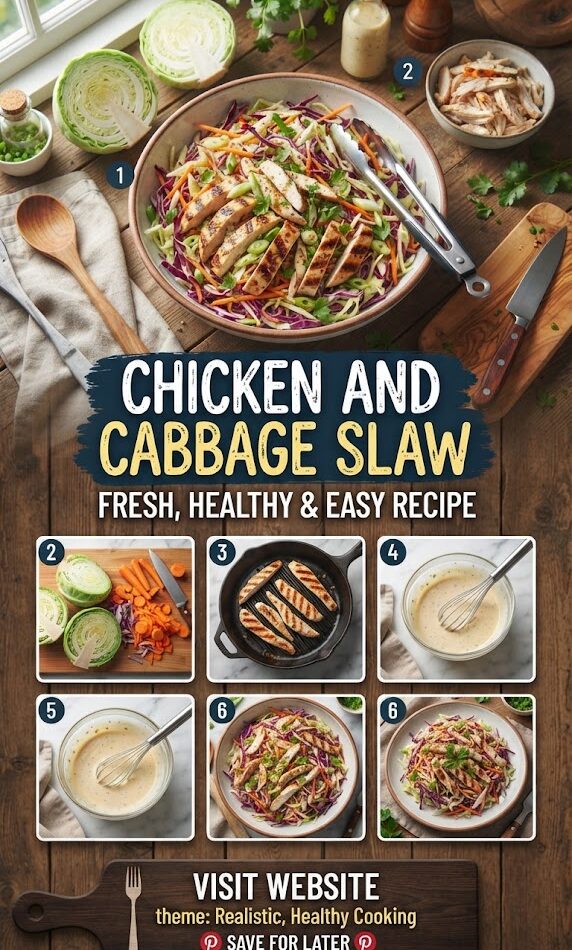
In the world of culinary staples, few dishes manage to strike the perfect balance between refreshing, nutritious, and incredibly satisfying quite like a well-made Chicken and Cabbage Slaw. Often relegated to a side dish at summer barbecues, the evolution of the “slaw” has transformed it into a powerhouse main course that fits into almost any dietary lifestyle—from Keto and Paleo to Whole30 and general clean eating.
This comprehensive guide dives deep into the art of the Chicken and Cabbage Slaw, exploring its history, the science behind its textures, various flavor profiles from around the globe, and the nutritional benefits that make it a must-have in your weekly meal rotation.
Why Chicken and Cabbage Slaw is the Modern Kitchen’s Secret Weapon
The beauty of a chicken and cabbage slaw lies in its versatility and structural integrity. Unlike traditional green salads made with delicate lettuces like arugula or romaine, cabbage is a hardy cruciferous vegetable. It doesn’t wilt the moment it touches dressing. In fact, many slaws actually improve after sitting for an hour or even a day, as the flavors meld and the fibrous cabbage softens slightly while retaining its signature “snap.”
For the busy individual, this dish represents the pinnacle of meal prep. It is high in protein, fiber-dense, low in refined carbohydrates, and can be customized with an infinite array of dressings and toppings. Whether you are looking for a light summer lunch or a hearty, crunch-filled dinner, the chicken and cabbage slaw is your answer.
The Core Components: Breaking Down the Crunch
To create a world-class slaw, one must understand the layers of texture and flavor that make it successful. A mediocre slaw is soggy and bland; a great slaw is a symphony of crispness, acidity, and savory depth.
1. The Cabbage Base
Cabbage is the skeleton of the dish. While many people reach for the standard green cabbage, a truly vibrant slaw utilizes a mix:
- Green Cabbage: The classic choice. It is peppered, sturdy, and provides a massive amount of volume.
- Red (Purple) Cabbage: Adds a stunning visual pop and is packed with anthocyanins—powerful antioxidants. It is slightly more bitter than green cabbage, providing a nice edge.
- Napa Cabbage: Also known as Chinese cabbage, this variety is softer and more delicate. It is perfect for Asian-inspired slaws where a lighter texture is desired.
- Savoy Cabbage: With its crinkly, ruffled leaves, Savoy cabbage offers a beautiful aesthetic and a milder flavor that absorbs dressings exceptionally well.
2. The Protein: Chicken Excellence
The chicken provides the satiety that turns a snack into a meal. The method of preparation can drastically change the profile of the slaw:
- Rotisserie Chicken: The ultimate “hack.” Using shredded store-bought rotisserie chicken adds a salty, savory element with zero cooking time.
- Grilled Chicken Breast: Sliced into thin strips, grilled chicken adds a smoky char that pairs beautifully with creamy dressings.
- Poached Chicken: For those seeking a clean, lean option, poaching chicken in aromatics (ginger, garlic, or lemon) ensures the meat remains succulent and moist.
- Leftover Roast Chicken: Thighs or breasts from the previous night’s dinner are perfect candidates for a next-day slaw.
3. The Aromatics and Extra Crunch
To move beyond a basic salad, you need “accessory” ingredients:
- Scallions (Green Onions): Provide a mild bite without overpowering the dish.
- Cilantro or Parsley: Fresh herbs are non-negotiable for brightness.
- Carrots: Julienned carrots add sweetness and a different type of crunch.
- Nuts and Seeds: Toasted almonds, peanuts, sesame seeds, or sunflower seeds add healthy fats and a distinct “nutty” finish.
The Art of the Dressing: Elevating Simple Ingredients
The dressing is the soul of the chicken and cabbage slaw. It ties the disparate elements together. Generally, slaw dressings fall into two categories: Creamy or Vinaigrette.
The Creamy Classic
A creamy dressing doesn’t have to be unhealthy. While the traditional American slaw uses a heavy mayonnaise base, modern versions often lighten things up.
- The Base: Greek yogurt, avocado oil mayonnaise, or even tahini for a vegan-friendly creaminess.
- The Acid: Apple cider vinegar or lemon juice to cut through the fat.
- The Sweetener: A touch of honey or maple syrup to balance the bitterness of the cabbage.
The Zesty Vinaigrette
Vinaigrettes are ideal for those who want a lighter, more refreshing meal.
- Asian-Inspired: Rice vinegar, toasted sesame oil, grated ginger, and a splash of tamari (or soy sauce).
- Citrus-Heavy: Lime juice, olive oil, cumin, and a hint of chili powder for a Southwest flair.
- Mediterranean: Red wine vinegar, extra virgin olive oil, dried oregano, and garlic.
Global Variations: A Journey Through Flavor
One of the reasons the chicken and cabbage slaw has become a global phenomenon is its ability to adapt to different cuisines. Here are four ways to reinvent the dish:
1. Thai-Inspired Spicy Peanut Slaw
This version is a fan favorite in the United States. It combines shredded chicken with a mix of red and green cabbage, bean sprouts, and a generous amount of fresh cilantro and mint. The dressing is a rich blend of peanut butter, lime juice, fish sauce, and sriracha. Top it with crushed roasted peanuts for an explosion of flavor.
2. Mexican “Ensalada de Repollo” with Chicken
Borrowing from the traditional slaw served with pupusas or tacos, this version uses lime juice and vinegar as the primary acids. Add sliced radishes, jalapeños, and chicken seasoned with taco spices. The result is a bright, spicy, and incredibly crunchy meal that pairs perfectly with a side of avocado.
3. The American BBQ Slaw
Perfect for summer cookouts, this version uses a slightly sweet, creamy dressing with a hint of celery seed. Shredded smoked chicken or pulled chicken breast makes this feel like a deconstructed BBQ sandwich without the heavy bun.
4. Vietnamese Chicken Salad (Goi Ga)
Goi Ga is perhaps the most sophisticated version of a chicken and cabbage slaw. It utilizes Napa cabbage, shredded chicken, lots of Vietnamese coriander (rau ram), and a dressing made of “nuoc cham” (fish sauce, lime, sugar, garlic, and chili). It is topped with fried shallots and crushed peanuts, offering a complex balance of salty, sweet, sour, and spicy.
The Science of Texture: How to Prevent a Soggy Slaw
One of the biggest complaints regarding cabbage-based salads is the “weeping” effect, where the cabbage releases its water after being dressed, leading to a puddle at the bottom of the bowl. Here is how the pros handle it:
The Salting Method
If you are making the slaw ahead of time, consider “sweating” the cabbage.
- Shred your cabbage and place it in a colander.
- Toss it with a tablespoon of salt and let it sit for 20–30 minutes.
- The salt draws out excess moisture.
- Rinse the cabbage under cold water to remove the salt, then pat it extremely dry with paper towels or use a salad spinner. This process ensures the cabbage remains crisp even after hours in the dressing.
Timing the Dressing
If you are not using the salting method, the best rule of thumb is to dress the slaw about 15 to 30 minutes before serving. This allows the flavors to penetrate the cabbage without breaking down the cell walls too much, maintaining that essential crunch.
Nutritional Breakdown: Why Your Body Loves This Recipe
Chicken and cabbage slaw isn’t just delicious; it’s a nutritional powerhouse. Let’s look at why this dish is a favorite among nutritionists and fitness enthusiasts.
The Power of Cruciferous Vegetables
Cabbage is part of the Brassica family, known for being nutrient-dense and low in calories.
- Vitamin C: One cup of raw cabbage provides about 50% of the recommended daily intake of Vitamin C, essential for immune function and collagen production.
- Vitamin K: Vital for bone health and blood clotting.
- Fiber: Cabbage is rich in insoluble fiber, which promotes digestive health and helps you feel full longer.
- Sulforaphane: A compound found in cruciferous vegetables that has been linked to anti-cancer properties and reduced inflammation.
High-Quality Protein
By adding chicken, you introduce a complete protein source containing all nine essential amino acids. Protein is crucial for muscle repair, metabolic health, and stabilizing blood sugar levels. A chicken and cabbage slaw provides a high protein-to-calorie ratio, making it excellent for weight management.
Healthy Fats
When you add ingredients like avocado, nuts, or olive oil-based dressings, you are incorporating monounsaturated and polyunsaturated fats. These are essential for heart health and the absorption of fat-soluble vitamins (A, D, E, and K) found in the vegetables.
Step-by-Step Master Recipe: The “Ultimate Crunchy Chicken Slaw”
This recipe serves as a perfect baseline. It is balanced, vibrant, and can be easily modified.
Ingredients
The Base:
- 4 cups shredded cabbage (mix of red and green)
- 2 cups cooked chicken, shredded or sliced (Rotisserie works great)
- 1 large carrot, julienned or grated
- 3 scallions, thinly sliced
- 1/2 cup fresh cilantro, chopped
- 1/4 cup toasted sliced almonds or sunflower seeds
The Dressing:
- 1/4 cup extra virgin olive oil or avocado oil
- 2 tablespoons apple cider vinegar
- 1 tablespoon Dijon mustard
- 1 tablespoon honey or maple syrup
- 1 clove garlic, minced
- Salt and freshly cracked black pepper to taste
Instructions
- Prepare the Vegetables: In a large mixing bowl, combine the shredded cabbage, carrots, and scallions. If you have the time, use the “salting method” mentioned above for maximum crunch.
- Add the Protein: Fold in the shredded chicken and cilantro.
- Whisk the Dressing: In a small jar or bowl, whisk together the olive oil, vinegar, mustard, honey, and garlic until emulsified.
- Combine: Pour the dressing over the chicken and cabbage mixture. Toss thoroughly to ensure every strand of cabbage is coated.
- The Final Touch: Just before serving, sprinkle the toasted almonds or seeds on top. This prevents them from getting soft.
- Rest: Let the slaw sit for 10 minutes at room temperature before serving to allow the flavors to bloom.
Expert Tips for Meal Prepping Chicken and Cabbage Slaw
If you want to prepare this dish for a week of healthy lunches, follow these storage tips:
- Keep Dressing Separate: Store the cabbage/chicken mix in one container and the dressing in a small mason jar. Only combine them when you are ready to eat, or the morning of.
- Layering (The Jar Method): If using glass jars, put the dressing at the bottom, followed by the chicken, then the carrots, and finally the cabbage on top. When you’re ready to eat, shake the jar or dump it into a bowl.
- The “Hardy” Exception: If you prefer a softer slaw, you can dress the cabbage and chicken 24 hours in advance. It will lose some crunch but gain a pickled, kraut-like depth of flavor.
- Avoid Soft Add-ins: If you plan on adding avocado or berries, wait until the moment of consumption to add them, as they oxidize or turn mushy quickly.
Frequently Asked Questions
Can I make this vegan?
Absolutely. To make a “Chicken” and Cabbage Slaw vegan, simply swap the chicken for chickpeas, edamame, or crispy smoked tofu. Use maple syrup instead of honey in the dressing.
How long does chicken and cabbage slaw last in the fridge?
If undressed, the cabbage and chicken mixture will stay fresh for 3 to 4 days. Once dressed, it is best consumed within 24 to 48 hours for optimal texture.
Is cabbage slaw better than lettuce salad for weight loss?
Cabbage is generally more “voluminous” than lettuce, meaning you can eat a larger portion for fewer calories. Additionally, the extra chewing required for raw cabbage can signal satiety to the brain more effectively than softer greens.
What are the best substitutions for mayo in a creamy slaw?
Greek yogurt is the most popular substitute as it provides a similar tang and creaminess with added protein and probiotics. For a dairy-free option, mashed avocado or a tahini-lemon blend works beautifully.
Pairing Suggestions: What to Serve with Your Slaw
While this dish is a complete meal on its own, you might want to pair it with other items for a larger spread:
- Sweet Potato Wedges: The earthiness of roasted sweet potatoes complements the acidic crunch of the slaw.
- Quinoa or Brown Rice: Serve the slaw over a bed of warm grains to create a “slaw bowl” that is even more filling.
- Cornbread: A classic American pairing, especially if your slaw has a creamy or BBQ-inspired dressing.
- Iced Hibiscus Tea or Kombucha: The bright, fermented notes of these drinks pair exceptionally well with the vinegar in the slaw.
Creative Toppings to Take Your Slaw to the Next Level
To make your Chicken and Cabbage Slaw truly “Instagram-worthy” and gourmet, consider these unique toppings:
- Crispy Wonton Strips: Common in California-style Chinese chicken salads.
- Pomegranate Arils: For a burst of sweetness and a jewel-like appearance.
- Pickled Red Onions: Adds an extra layer of acidity and a bright pink hue.
- Feta or Goat Cheese: For a salty, creamy contrast (especially good in Mediterranean-style slaws).
- Fresh Mango or Pineapple: In tropical or spicy slaws, fruit can balance the heat of jalapeños or ginger.
The History of Slaw: From Koolsla to Modern Superfood
The word “slaw” comes from the Dutch word koolsla, which literally means “cabbage salad.” The concept was brought to the Americas by Dutch settlers in the late 17th and early 18th centuries. Originally, it was a simple mix of shredded cabbage, vinegar, and oil.
It wasn’t until the mid-18th century, with the invention of mayonnaise, that the “creamy” version we often see today became popular. Over the centuries, the American palate evolved, and as global flavors permeated the culinary landscape, the simple cabbage side dish morphed into the complex, protein-packed Chicken and Cabbage Slaw we enjoy today. It represents a fusion of old-world preservation techniques and new-world nutritional science.
Conclusion: Embracing the Crunch
The Chicken and Cabbage Slaw is more than just a recipe; it’s a template for healthy, vibrant living. It encourages the use of fresh, whole ingredients and rewards the cook with a meal that is as visually stunning as it is delicious. By mastering the balance of the four key elements—The Crunch (cabbage), The Protein (chicken), The Zing (dressing), and The Flair (toppings)—you can create an endless variety of meals that never get boring.
Whether you are hosting a summer garden party, looking for a reliable meal-prep solution, or simply trying to incorporate more vegetables into your diet, the Chicken and Cabbage Slaw stands as a testament to the fact that healthy eating does not have to be dull. It is a celebration of texture, flavor, and the simple joy of a meal well-made.
Start with the master recipe, experiment with global flavors, and discover why this humble cabbage dish has earned its place as a staple in kitchens across the country.