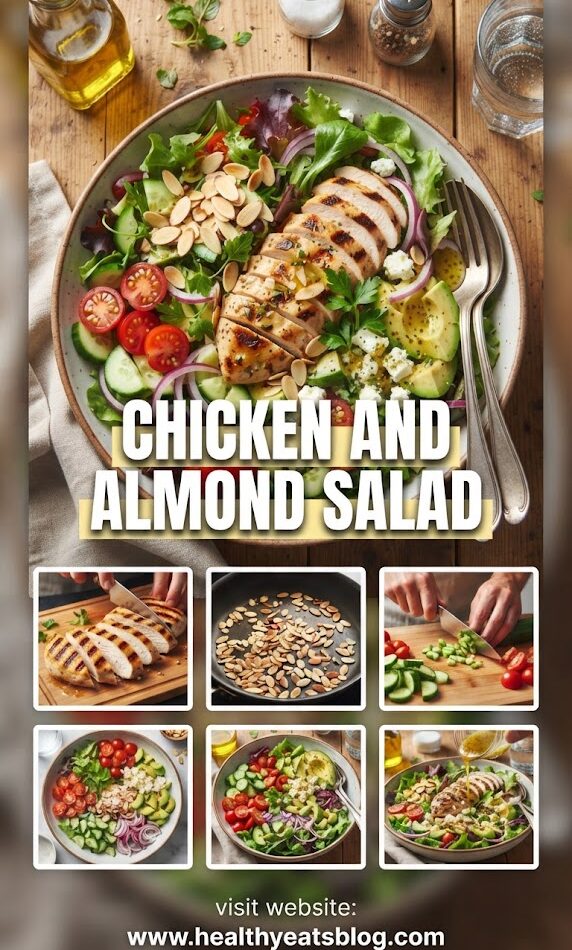
In the pantheon of culinary classics, few dishes manage to strike the perfect balance between indulgence and health quite like the Chicken and Almond Salad. It is a dish that transcends generations, appearing at high-society garden parties, bustling mid-day delis, and cozy family dinner tables. What makes this combination so enduring? It is the symphony of textures—the tender, savory pull of seasoned chicken contrasted against the definitive, earthy crunch of toasted almonds.
This comprehensive guide explores everything there is to know about this iconic dish. From its historical roots to the science of the perfect crunch, and from global variations to the ultimate nutritional breakdown, we are diving deep into the world of Chicken and Almond Salad.
The Evolution of the Chicken Salad: A Brief History
While meat salads have existed in various forms since ancient times, the modern iteration of chicken salad as we know it in the United States has a distinct lineage. In the 19th century, American cooks began repurposing leftover poultry by mixing it with mayonnaise and herbs.
The inclusion of almonds, however, elevates the dish from a simple “leftover fix” to a gourmet staple. Almonds were historically a symbol of luxury and fertility in Mediterranean and Middle Eastern cultures. As these culinary influences migrated to the West, the marriage of almonds and poultry became a hallmark of “Salade de Poulet” in French cuisine, eventually influencing American tea room culture in the early 20th century.
Today, the Chicken and Almond Salad is celebrated for its versatility. It can be a heavy, mayo-laden comfort food or a light, citrus-dressed power bowl.
Why the Chicken and Almond Pairing Works: The Science of Flavor
The success of this dish isn’t accidental; it’s based on fundamental principles of food pairing.
- Textural Contrast: The human brain is wired to enjoy “dynamic contrast.” The softness of the protein paired with the resistance of the nut creates a sensory experience that keeps the palate engaged.
- Fat and Acid Balance: Chicken (especially if skin-on or dressed in mayo) provides fat. Almonds provide healthy monounsaturated fats. When balanced with an acid like lemon juice or vinegar, these fats carry flavors across the tongue more effectively.
- Umami and Earthiness: Roasted chicken provides a deep savory (umami) profile, while almonds provide a nutty, slightly bitter, and earthy counterpoint.
Part I: The Foundation—Choosing and Preparing Your Chicken
The quality of your salad begins and ends with the bird. You cannot hide poor-quality chicken behind a dressing.
1. The Poaching Method (The Professional Standard)
Poaching keeps the chicken incredibly moist. To do it right:
- Place chicken breasts in a single layer in a pot.
- Cover with cold water or chicken stock.
- Add aromatics: a bay leaf, black peppercorns, a slice of lemon, and a smashed garlic clove.
- Bring to a bare simmer (do not boil!), then turn off the heat and cover. Let it sit for 15–20 minutes.
- The Result: Silky, tender meat that shreds easily.
2. The Rotisserie Shortcut
If you’re short on time, a store-bought rotisserie chicken is your best friend. It offers a mix of white and dark meat, which adds depth to the salad. Be sure to discard the skin if you want a cleaner texture, or mince it finely for a salty flavor bomb.
3. Grilling for Smokiness
For a summer-inspired Chicken and Almond Salad, grill the chicken over charcoal. The charred exterior adds a smoky dimension that pairs beautifully with smoked almonds.
Part II: The Star Ingredient—The Almond
Not all almonds are created equal. Depending on how you process them, the character of your salad will change.
Types of Almonds for Salad:
- Slivered Almonds: The classic choice. They provide a delicate crunch in every bite.
- Sliced (Flaked) Almonds: Best for a lighter, more elegant presentation.
- Whole Marcona Almonds: These “Queen of Almonds” from Spain are softer and more buttery. Chop them roughly for a luxurious twist.
- Smoked Almonds: Use these to add a “bacon-like” depth without the meat.
The Importance of Toasting
Raw almonds are fine, but toasted almonds are transformative. Toasting triggers the Maillard reaction, enhancing the nutty aroma and making the texture more brittle and satisfying.
- Oven Method: 350°F (175°C) for 5–8 minutes.
- Stovetop Method: Dry skillet over medium heat, tossing constantly until golden brown.
Part III: The Dressing—The Soul of the Salad
The dressing acts as the glue that binds the chicken and almonds together. You generally fall into two camps: Creamy or Vinaigrette.
1. The Classic Creamy Dressing
Traditional American chicken salad uses a mayonnaise base. To modernize it:
- The 50/50 Rule: Use half mayonnaise and half Greek yogurt. This lightens the calorie load while adding a pleasant tang.
- Flavor Boosters: Add a teaspoon of Dijon mustard, a splash of apple cider vinegar, and a pinch of celery salt.
2. The Asian-Inspired Ginger-Soy Vinaigrette
This is perfect for a “Chinese Chicken Salad” style.
- Ingredients: Rice vinegar, toasted sesame oil, grated ginger, honey, and soy sauce.
- Pairing: This dressing loves toasted almond slivers and mandarin oranges.
3. The Mediterranean Lemon-Tahini
A nutty dressing to match the nutty almonds.
- Ingredients: Tahini, lemon juice, garlic, and a touch of cumin.
- Pairing: Best with shredded poached chicken and fresh parsley.
Part IV: Master Recipe—The “Ultimate Crunch” Chicken and Almond Salad
This recipe is designed to be the gold standard. It’s balanced, vibrant, and crowd-pleasing.
Ingredients:
- Chicken: 1.5 lbs poached chicken breast, cubed or shredded.
- Almonds: 1/2 cup slivered almonds, toasted until mahogany brown.
- Produce:
- 2 stalks of celery, finely diced (for “watery” crunch).
- 1/2 red onion, finely minced (soak in cold water for 10 mins to remove the “bite”).
- 1 cup red grapes, halved (for bursts of sweetness).
- 1/4 cup fresh tarragon or dill, chopped.
- Dressing:
- 1/2 cup high-quality mayonnaise.
- 1/4 cup Greek yogurt.
- 1 tbsp Dijon mustard.
- Juice of 1/2 lemon.
- Salt and freshly cracked black pepper to taste.
Instructions:
- Prep the Chicken: Ensure the chicken is completely chilled. Mixing warm chicken with mayo can lead to a greasy consistency.
- The “Aromatics” Phase: In a large bowl, combine the chicken, celery, and onions.
- Whisk the Dressing: In a separate small bowl, whisk the mayo, yogurt, mustard, and lemon.
- Fold: Gently fold the dressing into the chicken mixture.
- The Final Addition: Just before serving, fold in the toasted almonds and grapes. Pro Tip: Adding almonds at the last second prevents them from getting soggy.
- Garnish: Top with extra tarragon and a few more almonds for visual appeal.
Part V: Global Variations
The beauty of the Chicken and Almond Salad is its adaptability to different cultural flavor profiles.
1. Coronation Chicken (The British Classic)
Created for the coronation of Queen Elizabeth II in 1953, this version adds curry powder, apricot jam, and sometimes sultanas (raisins). The almonds provide the necessary crunch to cut through the warm spice of the curry.
2. Chinese Chicken Salad (The California Staple)
Popularized in the 1980s, this version features shredded cabbage (bok choy or napa), cilantro, fried wonton strips, and a heavy dose of toasted almond slices. It’s usually served with a sesame-ginger dressing.
3. The “Napa Valley” Salad
This version leans into the wine country vibe. It features large chunks of roasted chicken, toasted almonds, fresh halved grapes, and sometimes bits of goat cheese or feta for a creamy, salty kick.
Part VI: Nutritional Powerhouse—Why You Should Eat This
When prepared thoughtfully, Chicken and Almond Salad is a nutritional goldmine.
High-Quality Protein
Chicken is one of the most efficient sources of lean protein, essential for muscle repair and satiety. A standard serving of this salad can provide 25–35 grams of protein.
Heart-Healthy Fats
Almonds are famous for their monounsaturated fats, which are linked to lower LDL (bad) cholesterol levels. They also provide Vitamin E, a potent antioxidant that protects cells from oxidative stress.
Low Carb / Keto Friendly
For those on low-carb diets, this salad is a dream. By swapping grapes for cucumbers and ensuring the dressing has no added sugar, you have a high-fat, high-protein meal that keeps blood sugar stable.
Micronutrient Profile:
- Magnesium: From the almonds, helping with nerve function.
- Vitamin K: If you serve the salad over a bed of spinach or kale.
- Probiotics: If using a Greek yogurt-based dressing.
Part VII: How to Serve Chicken and Almond Salad
Presentation is key, especially if you are serving this at an event.
1. The Classic Sandwich
Pile the salad onto a buttery, flaky croissant. The richness of the pastry complements the crunch of the almonds perfectly.
2. Lettuce Wraps
For a lighter option, use Butter (Bibb) lettuce or Romaine spears. It turns the salad into a handheld, low-carb snack.
3. The Avocado Boat
Halve an avocado and remove the pit. Scoop a generous portion of the chicken and almond salad into the center. The creaminess of the avocado replaces the need for extra dressing.
4. The Salad Platter
Arrange a bed of mixed spring greens. Place a large scoop of the salad in the center and surround it with seasonal fruits (strawberries, orange segments) and extra toasted almonds.
Part VIII: The “Crunch Factor”—Tips for Perfect Almonds Every Time
If there is one thing that ruins a Chicken and Almond Salad, it is soft, rubbery nuts. Here is how to keep the crunch:
- Cool Before Adding: Never add hot, toasted almonds directly to a cold salad. The steam will soften them. Let them reach room temperature on a paper towel first.
- The “Double Toast”: If you are meal-prepping, keep the almonds in a separate small container or Ziploc bag. Sprinkle them on only when you are ready to eat.
- Butter Toasting: For an extra indulgent salad, toast the almonds in a pan with a tiny knob of salted butter. This creates a savory crust on the nut that stands up better to the moisture of the dressing.
Part IX: Common Mistakes and How to Avoid Them
Even simple dishes have pitfalls. Here’s what to watch out for:
- Overcooking the Chicken: Dry chicken is the enemy. Use a meat thermometer and pull the breast off the heat at 160°F (it will carry over to 165°F).
- Too Much Mayo: Don’t drown the ingredients. You want the chicken and almonds to be “glistening,” not swimming in a sea of white sauce.
- Neglecting Seasoning: Chicken is neutral. Almonds are neutral. You need enough salt, pepper, and acid (lemon/vinegar) to wake up the flavors.
- Cutting Pieces Too Large: Aim for “bite-sized” harmony. If the chicken chunks are huge and the almonds are tiny slivers, the texture will feel disjointed.
Part X: Dietary Adaptations
Vegan “Chicken” and Almond Salad
You can achieve a similar profile by using chickpeas (slightly mashed) or soy-based chicken strips. The almond remains the star, providing that essential crunch. Use a vegan mayo or a tahini-based dressing.
Paleo / Whole30
Eliminate the dairy and use a sugar-free, avocado-oil-based mayonnaise. Replace the grapes with berries or omit them entirely to stay within strict guidelines.
Nut-Free Alternative
If someone has an allergy, you can replicate the almond’s texture using toasted sunflower seeds or pumpkin seeds (pepitas), though the flavor profile will shift toward a more “seedy” earthiness.
Part XI: The Art of Meal Prepping
Chicken and Almond Salad is one of the best meal-prep dishes because the flavors actually improve after a few hours in the fridge.
- Day 1: The dressing is sharp.
- Day 2: The chicken has absorbed the aromatics and the lemon juice.
- The Secret: Store the salad without the almonds. Add the nuts fresh each morning before you head to work.
- Shelf Life: Keep it for no more than 3 to 4 days in an airtight container in the refrigerator.
Part XII: Advanced Flavor Profiles to Try
Once you’ve mastered the basic recipe, try these “Gourmet Upgrades”:
The “Blue Cheese & Fig” Twist
Add crumbled blue cheese and chopped dried figs along with your toasted almonds. This creates a sophisticated “sweet and funky” profile that pairs excellently with a glass of Chardonnay.
The “Spicy Southwestern” Twist
Add diced jalapeños, corn, black beans, and replace the almonds with “chili-lime” toasted almond slivers. Use lime juice and cilantro in the dressing.
The “Truffle” Twist
Add a drop (just a drop!) of white truffle oil to your mayonnaise base. The earthy truffle notes resonate beautifully with the toasted almonds.
Part XIII: Frequently Asked Questions
Can I use almond butter in the dressing?
Yes! Whisking a tablespoon of smooth almond butter into a vinaigrette-style dressing reinforces the nuttiness of the whole dish.
Is it better to shred or cube the chicken?
Shredding (pulling) the chicken creates more surface area for the dressing to cling to, resulting in a moister salad. Cubing provides a more formal, structured look. Both are valid!
Why are my almonds bitter?
If you over-toast them, the skin of the almond becomes burnt and bitter. Always pull them off the heat just before they look perfectly done, as they continue to cook from residual heat.
Part XIV: Seasonal Guide to Chicken and Almond Salad
This dish shouldn’t look the same in July as it does in December.
- Spring: Use poached chicken, sliced almonds, peas, and mint with a lemon-yogurt dressing.
- Summer: Use grilled chicken, smoked almonds, peaches, and basil.
- Autumn: Use roasted chicken, toasted almonds, apples, and dried cranberries.
- Winter: Use rotisserie chicken, Marcona almonds, pomegranate arils, and a heavier, spiced mayo (maybe with a hint of nutmeg or clove).
Conclusion: The Timeless Appeal
The Chicken and Almond Salad is more than just a meal; it is a lesson in culinary balance. It teaches us that the best dishes don’t need exotic ingredients or complicated techniques. Instead, they rely on the quality of staples—fresh poultry, perfectly toasted nuts, and a well-balanced sauce.
Whether you are looking for a quick weekday lunch that won’t leave you hungry by 3 PM, or a sophisticated dish to serve at a bridal shower, the Chicken and Almond Salad is your answer. It is healthy, hearty, and most importantly, undeniably delicious. By focusing on the details—the method of poaching the chicken, the precise toast of the almond, and the hit of acid in the dressing—you can turn this humble salad into a five-star dining experience.
Go forth and toast your almonds, season your chicken, and enjoy the crunch that has captivated palates for decades. This is a recipe that will never go out of style.
Summary of the Perfect Build
To recap, the ultimate Chicken and Almond Salad consists of:
- High-Moisture Protein: (Poached or Rotisserie)
- High-Crunch Fat: (Toasted slivered almonds)
- Fresh Aromatics: (Celery and red onion)
- Sweet Counterpoint: (Grapes or dried fruit)
- Balanced Binder: (Mayo/Yogurt/Lemon/Mustard)
- Fresh Herb Finish: (Tarragon, Dill, or Parsley)
Master these six elements, and you will have the best Chicken and Almond Salad in the neighborhood—and perhaps, according to your dinner guests, the world.