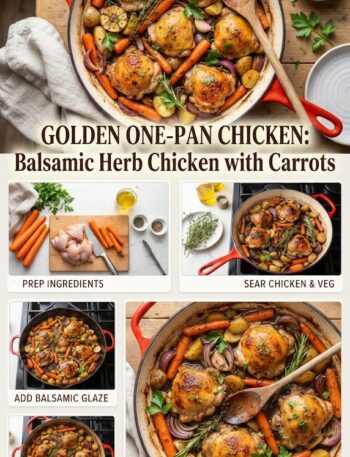
The Mediterranean diet has long been hailed as the gold standard for healthy living, longevity, and, most importantly, unparalleled flavor. At the heart of this culinary tradition lies a dish that is deceptively simple yet often difficult to master: the perfect Mediterranean herb chicken breast. We have all experienced the disappointment of a dry, rubbery chicken breast that lacks depth. However, when executed correctly, this dish becomes a symphony of aromatic herbs, zesty citrus, and velvety olive oil, resulting in meat so tender it practically melts in your mouth.
In this comprehensive guide, we will dive deep into the science, the ingredients, and the professional techniques required to create a restaurant-quality Mediterranean herb chicken breast in your own kitchen. Whether you are a novice home cook or a seasoned chef, these insights will elevate your poultry game to a whole new level.
The Philosophy of Mediterranean Flavor
To cook like a Mediterranean, one must understand the philosophy behind the food. It is not about complex sauces or heavy creams; it is about honoring the integrity of high-quality ingredients. The Mediterranean flavor profile for chicken relies on four pillars:
- High-Quality Fats: Extra virgin olive oil is the lifeblood of this dish.
- Acidity: Fresh lemon juice or vinegar to brighten the flavors and tenderize the proteins.
- Aromatic Herbs: A combination of woody and soft herbs that provide earthiness and freshness.
- Alliums: Garlic and shallots that create a foundational depth of flavor.
By balancing these four elements, you create a profile that is both light and satisfying, perfect for a summer dinner or a healthy meal-prep option.
Selecting the Right Chicken: Quality Matters
Before you even touch a sprig of rosemary, you must select your protein wisely. Not all chicken breasts are created equal.
Air-Chilled vs. Water-Chilled
Most commercial chicken in the United States is water-chilled, meaning the carcasses are submerged in cold water to lower their temperature. This often leads to the meat absorbing excess water, which dilutes the flavor and results in a “mushy” texture. Look for air-chilled chicken. It has a more concentrated flavor, a firmer texture, and the skin (if you choose to keep it) crisps up much better.
Organic and Pasture-Raised
While more expensive, organic or pasture-raised chicken often has a higher fat content and a more robust flavor profile. These birds are more active, leading to more developed muscle structure and better moisture retention when cooked properly.
Size Consistency
Try to select breasts that are uniform in size. If one is twice as thick as the other, they will cook at different rates, leading to one being dry while the other is underdone.
The Essential Mediterranean Herb Palette
The “herb” in Mediterranean herb chicken is where the magic happens. While you can use dried herbs in a pinch, fresh herbs are the key to that vibrant, “just-picked” taste.
1. Oregano (The Soul)
In Greek and Italian cooking, oregano is king. It has a slightly bitter, pungent, and earthy flavor. If using dried oregano, Greek oregano (Origanum vulgare hirtum) is the most authentic choice.
2. Rosemary (The Backbone)
Rosemary provides a woody, pine-like aroma that stands up well to the high heat of searing or roasting. It infuses the olive oil with a deep, savory fragrance.
3. Thyme (The Enhancer)
Thyme is subtle and floral. It bridges the gap between the heavy rosemary and the bright lemon, adding a layer of complexity that is often missed.
4. Flat-Leaf Parsley (The Brightness)
Unlike its curly cousin, flat-leaf (Italian) parsley has a clean, peppery flavor. It is best added at the very end of the cooking process to provide a burst of color and freshness.
5. Basil (Optional Twist)
While not always in a standard dry rub, fresh basil leaves added to a marinade or as a garnish provide a sweet, peppery finish that screams Mediterranean summer.
The Science of Succulence: Brining and Marinating
The biggest complaint about chicken breast is dryness. Because the breast is a lean muscle with very little fat, it loses moisture rapidly once it reaches internal temperatures above 150°F. To combat this, we use two powerful tools: brining and marinating.
The Dry Brine Technique
If you have the time, a dry brine is the secret weapon of professional chefs. At least 30 minutes (and up to 24 hours) before cooking, salt your chicken breasts generously on both sides. The salt draws out the moisture, dissolves into a concentrated brine, and is then reabsorbed into the meat. This seasons the chicken all the way to the bone and breaks down tough muscle fibers.
The Mediterranean Marinade Formula
A great marinade isn’t just for flavor; it’s a chemical treatment for the meat. Here is the ultimate ratio:
- 3 Parts Oil: Use the best Extra Virgin Olive Oil you can find. It carries the fat-soluble flavors of the herbs into the meat.
- 1 Part Acid: Freshly squeezed lemon juice is preferred. The citric acid denatures the proteins, making them more tender.
- Aromatics: Minced garlic, crushed red pepper flakes, and your herb blend.
- Emulsifier: A teaspoon of Dijon mustard helps the oil and lemon juice stay together, ensuring every inch of the chicken is coated.
Pro Tip: Do not marinate in acid for more than 4 hours. If left too long, the acid will “cook” the outside of the chicken, turning it chalky and white.
Equipment: Choosing Your Vessel
The way you apply heat is just as important as the ingredients. For Mediterranean chicken, you want a combination of a hard sear and gentle finishing.
- Cast Iron Skillet: This is the gold standard. It holds heat exceptionally well, providing a beautiful golden-brown crust (the Maillard reaction) that locks in juices.
- Stainless Steel Pan: Great for creating “fond” (the brown bits at the bottom), which can be deglazed into a quick pan sauce.
- The Meat Thermometer: This is non-negotiable. If you want succulent chicken every single time, you must stop guessing. An instant-read digital thermometer is the difference between a dry meal and a culinary masterpiece.
Step-by-Step Recipe: The Signature Mediterranean Herb Chicken
Ingredients
- 4 Large Chicken Breasts (approx. 8oz each)
- 1/2 cup Extra Virgin Olive Oil
- 1/4 cup Fresh Lemon Juice (about 2 lemons)
- 4 cloves Garlic, smashed and minced
- 2 tbsp Fresh Oregano, chopped (or 1 tbsp dried)
- 1 tbsp Fresh Thyme, stripped from the stem
- 1 sprig Fresh Rosemary, finely minced
- 1 tsp Smoked Paprika (for color and a hint of earthiness)
- 1 tsp Kosher Salt
- 1/2 tsp Cracked Black Pepper
- Lemon slices and fresh parsley for garnish
Instructions
1. Preparation and Evening the Surface
Chicken breasts are naturally uneven—thick at one end and thin at the other. To ensure even cooking, place the chicken between two sheets of plastic wrap and use a meat mallet or a heavy rolling pin to gently pound the thicker end until the breast is a uniform thickness (about 3/4 of an inch).
2. The Marinade
In a medium bowl, whisk together the olive oil, lemon juice, garlic, oregano, thyme, rosemary, paprika, salt, and pepper. Place the chicken in a large Ziploc bag or a shallow dish and pour the marinade over it. Massage the bag to ensure every part of the chicken is covered. Refrigerate for 45 minutes to 2 hours.
3. Tempering the Meat
Remove the chicken from the refrigerator 20 minutes before you plan to cook. If you put ice-cold chicken into a hot pan, the fibers will seize up and push out the juices. Bringing it closer to room temperature ensures a more tender result.
4. The Sear
Heat 1 tablespoon of olive oil in a large skillet over medium-high heat. Once the oil is shimmering (but not smoking), remove the chicken from the marinade, shaking off the excess. Place the breasts in the pan. Do not crowd the pan. If necessary, cook in two batches.
Sear for 5–6 minutes without moving the chicken. You want a deep, golden-brown crust.
5. The Flip and Finish
Flip the chicken. Lower the heat to medium. At this point, you can add a tablespoon of butter and a few extra sprigs of herbs to the pan, spooning the flavored fat over the chicken (a technique called arrosé).
Cook for another 5–7 minutes.
6. The Temperature Check
Insert your instant-read thermometer into the thickest part of the breast. You are looking for 160°F (71°C). While the USDA recommends 165°F, the temperature will continue to rise during the resting phase (carryover cooking). Taking it off at 160°F ensures it reaches 165°F without overshooting and becoming dry.
7. The Rest
Transfer the chicken to a cutting board or warm plate. Tent loosely with aluminum foil. Wait at least 8 to 10 minutes. This allows the muscle fibers to relax and the juices to redistribute throughout the meat. If you cut it immediately, all that succulent moisture will run out onto the board.
Alternative Cooking Methods
While the pan-sear is classic, other methods offer different benefits.
The Oven-Roasted Method
Perfect for large families or meal prepping.
- Preheat oven to 425°F (220°C).
- Place marinated chicken on a rimmed baking sheet lined with parchment paper.
- Top with lemon slices and extra herb sprigs.
- Roast for 18–22 minutes until the internal temperature reaches 160°F.
- This method is more “hands-off” and results in a very tender, though less crusty, chicken.
The Outdoor Grill Method
For that smoky, charred Mediterranean vibe.
- Preheat grill to medium-high (about 400°F).
- Clean and oil the grates thoroughly to prevent sticking.
- Grill the chicken for 6 minutes per side with the lid closed.
- The high heat of the grill caramelizes the sugars in the lemon juice and creates beautiful grill marks.
Perfect Pairings for Your Mediterranean Chicken
A succulent herb chicken breast deserves companions that highlight its flavors.
The Classic Greek Salad (Horiatiki)
Forget the lettuce. A true Greek salad consists of chunks of cucumber, ripe tomatoes, red onion, Kalamata olives, and a large slab of feta cheese, dressed simply in olive oil and dried oregano. The crunch of the vegetables provides a perfect texture contrast to the tender chicken.
Lemon-Herb Orzo or Quinoa
Cook your grains in chicken bone broth for extra flavor. Once cooked, toss with a squeeze of lemon, chopped parsley, and a handful of toasted pine nuts. The grains act as a sponge for any juices from the chicken.
Roasted Mediterranean Vegetables
Toss zucchini, bell peppers, eggplant, and red onions in the same herb-oil mixture used for the chicken. Roast them at high heat until caramelized. This creates a cohesive meal where the flavors echo one another.
Tzatziki Sauce
A cool, creamy yogurt-based sauce with grated cucumber, garlic, and dill. A dollop of homemade tzatziki on top of the warm chicken adds a refreshing creaminess that cuts through the savory herbs.
Troubleshooting Common Mistakes
- The Garlic is Burning: If your garlic is minced too finely and you sear at very high heat, it can turn bitter. Solution: Use smashed cloves to infuse the oil, or add the minced garlic halfway through the cooking process.
- The Chicken is “Leaking” White Gunk: This is called albumin. It’s a protein that gets pushed out when the muscle fibers contract too quickly from high heat. While harmless, it usually means the heat was too high or the chicken was overcooked.
- The Herb Crust is Falling Off: This happens if the pan wasn’t hot enough or if you moved the chicken too soon. Let the crust form naturally; the chicken will “release” from the pan when it’s ready to be flipped.
The Nutritional Powerhouse
Mediterranean Herb Chicken Breast isn’t just delicious; it’s a nutritional marvel.
- Lean Protein: Supports muscle repair and satiety.
- Olive Oil: Rich in monounsaturated fats and antioxidants like oleocanthal, which has anti-inflammatory properties.
- Garlic and Herbs: Packed with phytonutrients and compounds like allicin, which support heart health and the immune system.
- Low Carb/Keto Friendly: Naturally free of sugars and processed starches, making it an excellent choice for various dietary lifestyles.
Advanced Pro Tips for the Home Chef
If you want to take this dish from “great” to “legendary,” consider these advanced tweaks:
- Deglaze the Pan: After removing the chicken, the pan will have browned bits (fond). Pour in 1/4 cup of dry white wine (like Sauvignon Blanc) or chicken stock. Scrape the bottom, let it reduce by half, then whisk in a cold pat of butter. Pour this “jus” over the resting chicken.
- Use Freshly Cracked Pepper: Pre-ground black pepper tastes like dust. Invest in a pepper mill and use a coarse grind to provide “pops” of heat that contrast with the earthy herbs.
- Zest Before You Juice: The essential oils of the lemon are in the yellow zest, not the juice. Grate the zest into your marinade for a 10x increase in citrus aroma without the added acidity.
- The “Pocket” Technique: Carefully slice a small slit in the side of the breast and tuck a slice of feta cheese and a fresh basil leaf inside before searing. This creates a surprise center that is incredibly moist.
Storing and Reheating for Meal Prep
Mediterranean chicken is a meal-prep favorite because it holds up well.
- Storage: Store in an airtight container for up to 4 days in the refrigerator.
- Reheating: To avoid the “leftover chicken smell” (caused by lipid oxidation) and dryness, do not microwave on high. Instead, slice the chicken and gently warm it in a skillet with a splash of water or broth over low heat, covered with a lid. This steams the meat back to life.
- Cold Serving: This chicken is fantastic sliced cold over a Caesar salad or tucked into a whole-wheat pita with hummus and spinach.
Conclusion: A Staple in Your Culinary Arsenal
Mastering the succulent Mediterranean herb chicken breast is a rite of passage for any home cook. It is a dish that proves you don’t need expensive ingredients or a professional kitchen to create something extraordinary. By focusing on the quality of your chicken, the freshness of your herbs, and the precision of your cooking temperature, you can transform a simple piece of protein into a Mediterranean masterpiece.
The next time you’re in the kitchen, remember: don’t rush the marinade, don’t skip the rest, and always trust your thermometer. Your taste buds—and whoever you’re cooking for—will thank you. Enjoy the vibrant, sun-drenched flavors of the Mediterranean, one juicy bite at a time.