
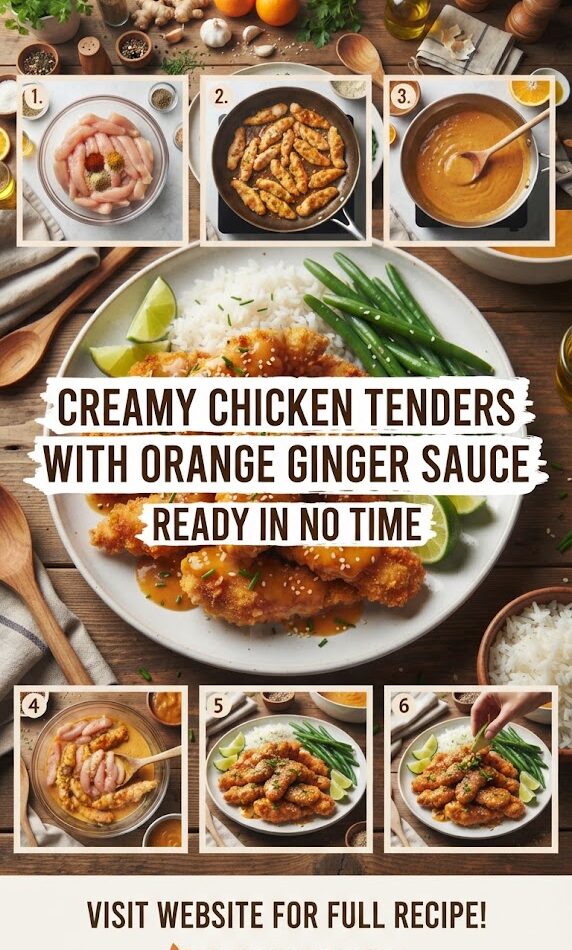
In the fast-paced world of modern living, the dinner table remains one of the few places where we can truly reconnect. However, the eternal struggle persists: how do we balance the need for a quick, convenient meal with the desire for something that tastes like it came out of a five-star kitchen? Enter Creamy Chicken Tenders with Orange Ginger Sauce.
This dish is a symphony of contrasting flavors and textures. It marries the bright, zesty acidity of fresh oranges with the sharp, warming heat of ginger, all mellowed out by a luxurious, velvety cream base. It is a recipe that defies expectations—sophisticated enough for a weekend dinner party, yet efficient enough to be whipped up on a hectic Tuesday evening.
In this comprehensive guide, we will explore every facet of this dish, from the science behind the flavor profile to the step-by-step techniques that ensure perfect results every time.
The Flavor Profile: Why Orange and Ginger Rule the Kitchen
To understand why this dish is so successful, we have to look at the chemistry of flavor. Most world-class recipes rely on a balance of five key elements: salt, fat, acid, heat, and sweetness.
- The Acid (Orange): The citric acid in the orange juice cuts through the richness of the chicken and cream. It acts as a brightener, waking up the taste buds.
- The Heat (Ginger): Unlike the capsaicin heat of a chili pepper, ginger provides a “clean” heat. It lingers in the back of the throat and provides a digestive aid, making a heavy cream sauce feel much lighter.
- The Fat (Cream and Butter): Fat carries flavor. The cream creates a “mouthfeel” that satisfies the appetite, while the butter used for searing the chicken adds a nutty depth.
- The Sweetness (Orange Zest and Honey): Natural sugars in the orange juice caramelize during the reduction process, creating a complex sweetness that rounds out the sharp edges of the ginger.
When these elements are combined with the savory, protein-rich profile of chicken, you get a meal that hits every sensory note.
The Essential Ingredients: Quality Matters
While this recipe is straightforward, the quality of your ingredients will dictate the final outcome. Because there are fewer than ten primary ingredients, each one must pull its weight.
1. The Chicken Tenders
Chicken tenders (the pectoralis minor muscle) are the most tender part of the bird. They cook quickly and remain juicy.
- Pro Tip: If you can’t find pre-cut tenders, you can slice chicken breasts into 1-inch strips. Always pat the meat dry with paper towels before cooking to ensure a golden-brown sear.
2. Fresh Ginger vs. Ground Ginger
There is no substitute for fresh ginger in this recipe. Fresh ginger contains “gingerol,” which provides that spicy, woody aroma. Ground ginger is much more muted and won’t provide the “zing” necessary to balance the cream.
- Technique: Use the edge of a spoon to scrape the skin off the ginger before grating it finely.
3. The Orange Component
Always use fresh oranges. Bottled orange juice often contains added sugars and lacks the essential oils found in the peel.
- The Zest: Most of the orange flavor lives in the zest (the orange outer layer). Avoid the white pith, which is bitter.
- The Juice: One large Navel or Valencia orange usually provides enough juice for a standard family-sized portion.
4. Heavy Cream
For the most luxurious sauce, use heavy whipping cream (at least 36% fat). If you are looking for a lighter version, half-and-half can work, but the sauce will be thinner and more prone to breaking (separating).
Step-by-Step Instructions: Mastering the Technique
Follow these steps to ensure your chicken is succulent and your sauce is emulsified to perfection.
Phase 1: Preparation (Mise en Place)
Before you turn on the stove, have everything ready. This is a fast-moving recipe.
- Season the chicken tenders with salt, white pepper, and a pinch of garlic powder.
- Grate 1 tablespoon of fresh ginger.
- Zest one orange and squeeze its juice (about 1/2 cup).
- Mince two cloves of garlic.
Phase 2: The Perfect Sear
Heat a large skillet over medium-high heat with a mixture of olive oil and butter. The oil prevents the butter from burning.
- Place the chicken tenders in the pan. Do not overcrowd. If the pan is too full, the chicken will steam instead of sear.
- Cook for 3-4 minutes per side until a golden crust forms.
- Remove the chicken from the pan and set it aside on a plate. It’s okay if they aren’t 100% cooked through yet; they will finish in the sauce.
Phase 3: Building the Sauce
The “fond”—those brown bits stuck to the bottom of the pan—is flavor gold.
- Lower the heat to medium. Add a small knob of butter and sauté the ginger and garlic for 30 seconds until fragrant.
- Deglaze: Pour in the orange juice. Use a wooden spoon to scrape the bottom of the pan, releasing the fond into the juice.
- Add the orange zest and a tablespoon of honey or maple syrup. Let the liquid reduce by half. This concentrates the flavor.
Phase 4: Emulsification
- Pour in the heavy cream slowly while whisking.
- Bring the mixture to a gentle simmer (do not boil aggressively, as this can cause the cream to separate).
- As the sauce thickens, add the chicken tenders (and any juices that collected on the plate) back into the pan.
- Simmer for another 2-3 minutes until the sauce coats the back of a spoon and the chicken is fully cooked.
Pro Tips for Culinary Success
- Temperature Control: If your sauce looks like it’s separating (oil droplets forming), whisk in a tablespoon of cold water or a splash more cream and remove it from the heat immediately.
- The “Spoon Test”: To check if your sauce is the right thickness, dip a metal spoon into it. Run your finger down the back of the spoon. If the line remains clear and the sauce doesn’t run back into the gap, it’s perfect.
- Resting the Meat: Even though these are tenders, letting the chicken sit in the sauce for a minute before serving allows the muscle fibers to relax, resulting in a more tender bite.
Dietary Variations and Substitutions
This recipe is incredibly versatile and can be adapted to suit various dietary needs without losing its soul.
1. Dairy-Free / Paleo Version
Replace the heavy cream with full-fat canned coconut milk. The coconut flavor complements the orange and ginger beautifully, leaning into a more Southeast Asian flavor profile. Use coconut oil instead of butter.
2. Low-Carb / Keto Version
This dish is naturally low-carb. Ensure you do not add extra honey; the natural sweetness of the orange juice is usually enough. Serve it over cauliflower rice or sautéed zoodles instead of traditional grains.
3. Gluten-Free
The recipe is naturally gluten-free as long as you don’t dredge the chicken in flour. If you want a thicker sauce without waiting for a reduction, whisk in a teaspoon of cornstarch mixed with cold water (a slurry) at the very end.
4. Added Heat
If you like a spicy kick, add half a teaspoon of red chili flakes or a teaspoon of Sriracha to the sauce while it simmers. The heat of the chili pairs exceptionally well with the sweetness of the orange.
What to Serve with Orange Ginger Chicken
Choosing the right side dish is about balancing the creaminess of the sauce.
- Grains: Jasmine rice is the gold standard here. Its floral aroma and ability to soak up the sauce make it the perfect companion. Quinoa or basmati rice are also excellent choices.
- Vegetables: To balance the richness, choose “crisp-tender” green vegetables. Roasted broccoli, steamed snap peas, or pan-seared bok choy provide a much-needed crunch and a splash of color.
- Starch: For a more fusion-style meal, serve the chicken over garlic mashed potatoes. The creaminess of the potatoes with the citrus sauce is an unexpected but delicious combination.
The Art of Presentation: Food Styling
We eat with our eyes first. To make this dish look as good as it tastes:
- Garnish: Save some fresh orange zest to sprinkle over the top at the end. Add chopped scallions or fresh cilantro for a pop of green.
- Toasted Sesame Seeds: A sprinkle of toasted white or black sesame seeds adds a professional touch and a subtle nutty crunch.
- The Plate: Use a wide, shallow bowl rather than a flat plate to keep the sauce pooled around the chicken.
Meal Prep and Storage
This dish is a meal prepper’s dream because the flavors actually deepen the next day.
- Fridge: Store in an airtight container for up to 3 days. When reheating, do so gently on the stovetop over low heat. Add a splash of water or milk to loosen the sauce, as the cream will thicken significantly when cold.
- Freezer: Cream-based sauces can be tricky to freeze because they may “split” upon thawing. If you must freeze it, do so without the chicken. When you’re ready to eat, thaw the sauce and whisk it vigorously over heat before adding freshly cooked chicken.
The Health Benefits of Ginger and Orange
Beyond the taste, this meal packs a nutritional punch.
- Ginger: Known for its anti-inflammatory properties, ginger can help with digestion and boost the immune system.
- Orange: A powerhouse of Vitamin C and antioxidants, which are vital for skin health and immune function.
- Protein: Chicken tenders are a lean source of high-quality protein, essential for muscle repair and satiety.
Frequently Asked Questions (FAQ)
Can I use chicken thighs instead?
Yes! Chicken thighs are more flavorful and harder to overcook. However, they will take about 2-3 minutes longer per side to sear and may require a slightly longer simmer time in the sauce.
My sauce is too thin. How do I fix it?
If the sauce is too runny, let it simmer for a few more minutes uncovered. This allows more water to evaporate. Alternatively, you can use a cornstarch slurry (1 tsp cornstarch + 1 tsp cold water) to thicken it instantly.
Can I use dried ginger?
In a pinch, yes, but use it sparingly. 1/4 teaspoon of dried ginger equals about 1 tablespoon of fresh. Note that you will lose the “fresh” aroma that defines this dish.
Is this dish kid-friendly?
Absolutely. Most kids love the sweetness of the orange and the mildness of the chicken. If your children are sensitive to “bits” in their food, you can strain the sauce through a fine-mesh sieve before adding the chicken back in to remove the pieces of ginger and zest.
Why This Recipe is a “Google-Rank” Worthy Classic
In the landscape of digital recipes, “Creamy Chicken Tenders with Orange Ginger Sauce” stands out because it solves the ultimate kitchen dilemma: The Trade-off. Usually, we trade flavor for time, or health for convenience. This recipe refuses to compromise.
It utilizes the “one-pan” method, which minimizes cleanup—a high-ranking factor for home cooks searching for dinner solutions. It uses accessible ingredients found in any standard American supermarket, yet the flavor profile is exotic enough to feel like a “discovery.”
By mastering this dish, you aren’t just making dinner; you are adding a versatile, reliable, and impressive tool to your culinary arsenal. Whether you’re cooking for yourself, a picky toddler, or a sophisticated guest, this creamy, citrusy, and slightly spicy chicken will surely become a staple in your household.
Final Thoughts: The Joy of Home Cooking
There is a certain magic that happens when the aroma of searing ginger and fresh orange zest fills a kitchen. It transforms the home from a place of stress into a sanctuary of flavor. This Creamy Chicken Tenders with Orange Ginger Sauce isn’t just about the food—it’s about the ease of the process and the satisfaction of a meal well-made.
The next time you find yourself staring into the fridge at 5:30 PM, wondering what to make, remember this recipe. It’s fast, it’s creamy, it’s vibrant, and most importantly, it’s ready in no time.
Happy cooking!