
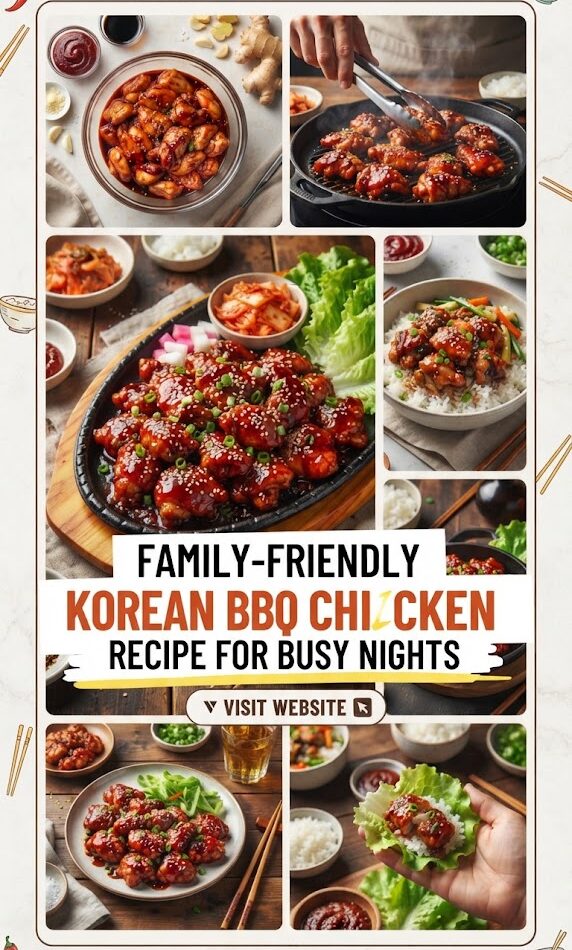
In the modern household, the “dinner dilemma” is a nightly ritual. We want something healthy, we want something flavorful, and most importantly, we want something that doesn’t keep us tethered to the stove for two hours after a long day of work and school. Enter the world of Korean BBQ Chicken—a dish that strikes the perfect balance between exotic flair and comforting familiarity.
Korean cuisine has taken the world by storm, and for good reason. It’s a masterclass in balancing sweet, savory, salty, and spicy. While traditional Korean BBQ (Gogi-gu-i) often centers around beef short ribs (Galbi) or thinly sliced ribeye (Bulgogi), chicken is the unsung hero for busy families. It’s affordable, lean, and absorbs the bold flavors of Korean marinades faster than any other protein.
This guide will walk you through everything you need to know to master a family-friendly version of Korean BBQ chicken that kids will love and parents will crave.
Why Korean BBQ Chicken is Perfect for Busy Families
When we talk about “busy nights,” we’re talking about that window between 5:30 PM and 7:00 PM where homework needs to be checked, laundry needs to be folded, and everyone is suddenly “starving.” Here is why this recipe is your new secret weapon:
- Speed of Marinade: Unlike beef, which often needs hours to tenderize, chicken (especially thighs or bite-sized pieces) can soak up maximum flavor in as little as 15 to 30 minutes.
- Versatile Cooking Methods: Whether you have an air fryer, a sheet pan, a grill, or a simple cast-iron skillet, this recipe adapts to your kitchen tools.
- Meal Prep Friendly: You can marinate the chicken in a freezer bag on Sunday, and by Wednesday, it’s ready to be tossed into a pan.
- Kid-Approved Sweetness: The inclusion of honey, pear puree, or brown sugar in the marinade creates a caramelized glaze that appeals to younger palates, making “new foods” less intimidating.
Understanding the Flavor Profile: The “Big Three” of Korean Marinades
To create an authentic-tasting Korean BBQ chicken, you need to understand the components of the sauce. You don’t need a degree in culinary arts, but you do need these three pillars:
1. The Salty Base: Soy Sauce
Soy sauce provides the depth and the “umami.” For a gluten-free option, Tamari works perfectly. This is what seasons the chicken from the inside out.
2. The Sweet Component: Pear or Apple
Traditional Korean BBQ uses grated Asian pear (Bae). The enzymes in the pear act as a natural meat tenderizer. For a busy weeknight, if you don’t have an Asian pear, a regular Bosc pear, a Fuji apple, or even a splash of unsweetened applesauce works wonders. This provides a subtle, complex sweetness that sugar alone can’t replicate.
3. The Aromatics: Garlic and Ginger
Korean food is unapologetic about its use of garlic. For a family-friendly version, we use enough to be fragrant but not so much that it’s overwhelming. Fresh ginger adds a “bright” note that cuts through the richness of the soy and sesame.
The Recipe: Easy Family-Friendly Korean BBQ Chicken
This recipe is designed to serve a family of four and can be doubled easily for leftovers.
Ingredients
The Protein:
- 1.5 lbs Chicken Thighs (Boneless, skinless, cut into bite-sized pieces for faster cooking)
- Note: You can use breast meat, but thighs stay juicier under high heat.
The Signature Marinade:
- 1/2 cup Soy Sauce (Low sodium preferred)
- 3 tbsp Brown Sugar or Honey
- 1 tbsp Sesame Oil (Toasted)
- 1/2 Asian Pear (grated) OR 1/4 cup Applesauce
- 4 cloves Garlic (minced)
- 1 tsp Fresh Ginger (grated)
- 1 tbsp Gochugaru (Korean red pepper flakes) – Optional: omit for zero spice, or use 1/2 tsp for a mild warmth.
- 1 tbsp Toasted Sesame Seeds
- 2 Green Onions (finely chopped)
For Serving:
- Steamed Jasmine or Short-grain Rice
- Steamed Broccoli or quick-pickled cucumbers
- Extra Sesame Seeds and Sliced Green Onions for garnish
Step-by-Step Instructions
1. Prepare the Marinade
In a medium bowl, whisk together the soy sauce, sugar/honey, sesame oil, pear puree, garlic, and ginger. If your kids are sensitive to heat, keep the Gochugaru on the side or use just a tiny pinch.
2. Marinate the Chicken
Place your chicken pieces in a large bowl or a heavy-duty Ziploc bag. Pour the marinade over the chicken, ensuring every piece is coated. Let it sit for at least 20 minutes at room temperature. If you have time, 2-4 hours in the fridge is ideal.
3. The Sear (The Secret to BBQ Flavor)
Heat a large skillet or wok over medium-high heat with a tablespoon of neutral oil (like vegetable or canola). Once the pan is shimmering hot, add the chicken in a single layer.
Pro Tip: Do not crowd the pan. If there is too much chicken, it will steam in its own juices rather than sear. Cook in two batches if necessary.
4. Caramelization
Let the chicken sit undisturbed for 2-3 minutes to develop a dark, caramelized crust. Flip and cook for another 3-4 minutes until the chicken is cooked through and the sauce has thickened into a sticky glaze that clings to the meat.
5. Rest and Serve
Let the chicken rest for 2 minutes before serving. This allows the juices to redistribute. Serve over a bed of fluffy rice with your choice of greens.
Mastering the “Busy Night” Logistics
Success on a Tuesday night isn’t just about the recipe; it’s about the strategy. Here is how to fit Korean BBQ Chicken into a chaotic schedule.
The “Morning Of” Strategy
Before you leave for work, toss the chicken and marinade into a bag and put it in the fridge. By the time you get home, the chicken has reached peak flavor. All you have to do is hit the “on” button on your rice cooker and heat the skillet.
The Freezer Stash
You can actually freeze the chicken in the marinade. When you find chicken thighs on sale, buy a bulk pack, divide them into freezer bags with the marinade, and freeze. They will marinate as they thaw in the fridge the day you want to cook them.
One-Pan Oven Method
If you don’t want to stand over a stove, spread the marinated chicken and some broccoli florets on a parchment-lined baking sheet. Bake at 425°F (220°C) for 15-18 minutes. Finish under the broiler for 2 minutes to get those charred “BBQ” edges.
Making It Kid-Friendly vs. Adult-Friendly
One of the biggest hurdles in family cooking is the “spice gap.” Parents often want the kick of chili, while kids might find black pepper too spicy.
For the Kids:
- Keep the marinade focused on the “Sweet and Salty.” The honey and pear will be the stars.
- Serve the chicken “Deconstructed.” Place the chicken, rice, and veggies in separate piles on the plate. Many children are more willing to try new flavors when they aren’t mixed together.
For the Adults:
- The Gochujang Factor: Keep a jar of Gochujang (Korean fermented chili paste) in the fridge. Stir a tablespoon of it into your portion of the chicken at the end of cooking. It adds a deep, smoky heat that transforms the dish.
- Kimchi: Serve a side of spicy, fermented kimchi. The acidity and heat are the perfect foil to the sweet chicken.
The Essential Sides: Building a “Mini-Banchan” Table
In Korea, meals are served with Banchan—small side dishes. While a busy parent can’t make ten different sides, you can easily make two or three “cheat” versions that take five minutes each.
1. The 5-Minute Smashed Cucumber Salad
- Slice a cucumber into rounds.
- Toss with a splash of rice vinegar, a pinch of sugar, and a drop of sesame oil.
- The crunch and acidity cleanse the palate between bites of savory chicken.
2. Garlic-Soy Spinach
- Blanch a bag of baby spinach in boiling water for 30 seconds.
- Drain and squeeze out all the water.
- Toss with 1 tsp soy sauce, 1 tsp sesame oil, and a pinch of garlic powder.
3. Quick Pickled Radishes
If you can find Daikon radish, slice it thin and soak it in a mixture of equal parts vinegar, water, and sugar. It provides that bright yellow crunch often found in Korean lunch boxes (Dosirak).
Nutritional Benefits of Korean BBQ Chicken
Beyond the flavor, this meal is a nutritional powerhouse.
- Lean Protein: Chicken thighs provide essential amino acids and iron.
- Ginger and Garlic: Both are known for their anti-inflammatory properties and immune system support—perfect for school-age children.
- Fermentation: If you serve it with a side of Kimchi or use Gochujang, you’re introducing probiotics into the family diet, which supports gut health.
- Low Added Fat: Since the chicken is seared or baked rather than deep-fried, the fat content is relatively low, focusing instead on healthy fats from sesame oil.
Choosing the Right Rice: Does it Matter?
While you can use any rice you have in the pantry, the texture of the rice significantly impacts the experience.
- Short-Grain White Rice (Sushi Rice): This is the traditional choice. It’s slightly sticky, making it easy to pick up with chopsticks or a spoon along with the chicken.
- Jasmine Rice: A great aromatic alternative that most US households already have.
- Brown Rice or Quinoa: If you’re looking for more fiber, these work well, though they won’t absorb the sauce quite as elegantly as white rice.
Common Mistakes to Avoid
Even with a simple recipe, there are a few pitfalls to watch out for:
- Using Cold Chicken: Try to take the chicken out of the fridge 15 minutes before cooking. If the chicken is ice-cold when it hits the pan, it will drop the pan temperature and result in boiling the meat rather than searing it.
- Skipping the Sesame Oil: Don’t substitute olive oil for sesame oil in the marinade. The toasted sesame oil provides the “earthy” base that defines the Korean BBQ flavor profile.
- Not Reducing the Sauce: If you have extra marinade in the pan, make sure to let it bubble and thicken. That “syrupy” consistency is what makes the dish addictive.
- Overcooking the Breast: If you choose chicken breast, be very careful. It can go from perfect to rubbery in 60 seconds. Thighs are much more forgiving for busy parents who might get distracted by a ringing phone.
Adapting for Dietary Restrictions
- Gluten-Free: Use liquid aminos or Tamari instead of soy sauce. Ensure your Gochujang (if using) is certified gluten-free, as some brands use barley malt.
- Keto/Low-Carb: Replace the brown sugar with a monk fruit sweetener or erythritol. Serve the chicken in lettuce wraps (Ssam style) instead of over rice.
- Vegetarian Option: This marinade is incredible on extra-firm tofu or cauliflower steaks. Just press the tofu well before marinating to ensure it absorbs the flavors.
The Art of “Ssam”: Making Dinner Fun
If you have a little extra time on a Friday night, turn this dinner into an interactive “Ssam” (wrap) night.
- Put a plate of large lettuce leaves (Red leaf, Romaine, or Butter lettuce) in the center of the table.
- Provide bowls of sliced raw garlic, sliced serrano peppers (for the brave), and a tub of Ssamjang (a thick, spicy soybean paste).
- Show the kids how to take a leaf, add a spoonful of rice, a piece of chicken, and a slice of cucumber, then wrap it into a little “gift” to eat in one bite.
Interactive dining is a great way to get picky eaters involved in the process, making them more likely to enjoy the meal.
Frequently Asked Questions
Can I use a slow cooker?
While you can, chicken BBQ is traditionally about the “char.” A slow cooker will make the chicken tender (like pulled chicken), but you will lose the caramelized texture. If you use a slow cooker, cook on low for 4 hours, then shred and finish it under the oven broiler for 5 minutes.
What if I can’t find Gochugaru?
Gochugaru has a specific smoky-sweet flavor. If you can’t find it, a mix of smoked paprika and a tiny pinch of cayenne pepper is the closest substitute. However, most major grocery stores now carry Korean red pepper flakes in the international aisle.
How long do leftovers last?
This chicken is fantastic the next day. It stays juicy and makes for an incredible cold topping on salads or tucked into a wrap for a school lunch. It will last up to 4 days in an airtight container in the fridge.
Is Korean BBQ chicken spicy?
It doesn’t have to be! The core of the flavor is soy and sesame. The “spice” comes from Gochugaru or Gochujang, which are entirely optional. As written for a family audience, this recipe focuses on the savory-sweet aspect.
Equipment Recommendations for the Best Results
To get that restaurant-quality sear at home, consider these tools:
- Cast Iron Skillet: It retains heat better than any other surface, ensuring your chicken gets those dark, crispy edges.
- Microplane Grinder: Essential for turning your garlic, ginger, and pear into a fine paste that integrates perfectly into the marinade.
- Rice Cooker: The ultimate “set it and forget it” tool for busy families.
Final Thoughts: Bringing the World to Your Table
Food is one of the easiest ways to introduce children to different cultures. Korean BBQ chicken isn’t just a meal; it’s a gateway to exploring new ingredients and traditions. By keeping the process simple and the flavors balanced, you turn a frantic Tuesday night into a culinary adventure.
The beauty of this dish lies in its flexibility. Don’t be afraid to experiment—add more ginger if you like it zesty, or more honey if you want it stickier. Before long, this Korean BBQ chicken won’t just be a “busy night recipe”—it will be a requested family favorite.
So, the next time you’re standing in the grocery aisle staring at a pack of chicken thighs, grab some soy sauce and a pear. Your family (and your schedule) will thank you.
Deep Dive: The History of Korean BBQ
To truly appreciate the dish, it helps to understand its roots. BBQ in Korea is more than just a cooking method; it’s a social event. Historically, meat was a luxury in Korea. Dishes like Bulgogi (literally “fire meat”) date back to the Goguryeo era (37 BC – 668 AD). Originally, meat was skewered and grilled over charcoal.
In the mid-20th century, as the economy grew, BBQ became more accessible to the average family. While beef remains the “premium” choice for celebrations, chicken (Dak-gui) became the everyday hero. The rise of “Chimaek” (Chicken and Maekju/Beer) culture in Korea further solidified chicken’s place in the BBQ pantheon.
By bringing these flavors into your home, you’re participating in a tradition of communal eating that has spanned centuries.
Advanced Tip: Using the “Velveting” Technique
If you find that your chicken breast always turns out dry, try the Chinese-inspired “velveting” technique, which works beautifully with Korean flavors.
Before marinating, toss your sliced chicken breast with 1 teaspoon of cornstarch and 1 teaspoon of oil. The cornstarch creates a thin protective barrier that locks in moisture and helps the marinade “cling” to the meat, resulting in a silky, restaurant-quality texture even with lean meat.
Beverage Pairings for the Whole Family
What should you drink with Korean BBQ?
- For the Kids: Barley Tea (Bori-cha). It’s caffeine-free, has a toasted, nutty flavor, and is the standard table drink in many Korean homes. It’s excellent hot or cold.
- For the Adults: A crisp, cold Lager or a light Pilsner cuts through the sweetness of the marinade perfectly. If you want to stay traditional, a glass of Soju (a Korean distilled spirit) or Makgeolli (a milky, sparkling rice wine) is the way to go.
Conclusion
The “Family-Friendly Korean BBQ Chicken” is more than a recipe; it’s a system for stress-free dining. It proves that you don’t need to sacrifice flavor for speed. By utilizing the power of a good marinade and the efficiency of modern cooking methods, you can serve a meal that feels like a weekend treat on a weekday timeline.
Gather your ingredients, marinate your chicken, and watch as your dinner table transforms into a vibrant, flavorful Korean BBQ feast. Your busy nights just got a whole lot tastier.