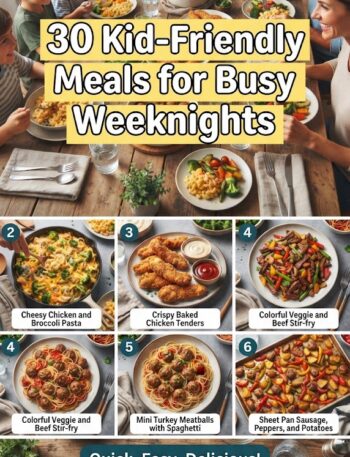

Introduction: De-escalating the Dinner Table Battles
If the mere mention of dinnertime fills you with a deep, existential dread, take a deep breath. You are far from alone. Across households in the United States, millions of parents stare down at plates of untouched food every single night, navigating the minefield of sensory sensitivities, stubborn phases, and intense negotiations known all too well as picky eating.
When you have a selective eater in the house, cooking can feel like a high-stakes guessing game. Spend an hour preparing a balanced, wholesome meal, only to have it rejected with a dramatic gag or a flat “I’m not eating this,” and it is easy to feel defeated. The cycle of short-order cooking—whipping up a separate chicken nugget or buttered noodle dish just to ensure your child goes to bed with something in their stomach—leaves parents exhausted, frustrated, and financially strained.
The secret to breaking this exhausting cycle is not forcing your child to eat broccoli or waging war at the kitchen table. Instead, it is about shifting your strategy toward low-stress, high-acceptance meals built on familiar foundations, safe textures, and low-pressure presentation styles.
Welcome to your ultimate survival guide: 18 No-Stress Meal Ideas for Picky Eaters. Designed to keep the peace, save your sanity, and minimize kitchen time, these concepts bridge the gap between what kids naturally crave and what growing bodies need.
The Golden Rules of Feeding Picky Eaters
Before diving into the recipes, it helps to understand the psychology of the selective palate. Shifting your approach can completely alter the mealtime dynamic.
- The Division of Responsibility: Coined by renowned feeding expert Ellyn Satter, this rule changes everything. Your job as the parent is to decide what food is served, when it is served, and where it is served. Your child’s job is to decide whether they will eat it and how much. Letting go of the “how much” instantly removes the power struggle.
- Always Include a “Safe Food”: Never serve a plate entirely consisting of new or disliked items. Every single meal should feature at least one “safe food”—something you know your child likes and routinely eats (like a scoop of rice, a piece of plain bread, or a slice of fruit). This lowers anxiety and keeps the nervous system calm.
- Deconstruct When Possible: Many picky eaters possess an intense aversion to foods touching, or complex casseroles where ingredients are hidden. Serving meals “family-style” with separate components allows children to build their own plates and feel a sense of control.
18 No-Stress Meal Ideas That Actually Work
1. The DIY Deconstructed Taco Bar
Taco night is a legendary weeknight hero because it completely eliminates the guesswork. Instead of assembling tacos ahead of time, lay out bowls of seasoned ground turkey or shredded chicken, warm tortillas, shredded cheese, mild salsa, and sour cream.
- Why it works: Kids love autonomy. Letting them choose what goes into their taco transforms dinner from a chore into an interactive activity. If they only eat a tortilla rolled up with cheese, that counts as a win for a low-stress evening.
2. “Build-Your-Own” Personal Flatbread Pizzas
Using store-bought flatbreads, naan, or large tortillas as the base, set up a mini pizza-making station. Provide a smooth tomato marinara sauce (free of chunky visible onions if that triggers sensory aversions), shredded mozzarella, and pepperoni or cooked chicken pieces.
- Why it works: Pizza is universally accepted, and letting children control the assembly increases their curiosity and willingness to taste new components. You can subtly blend mild cooked vegetables into the sauce if you want an extra nutritional boost.
3. Sheet Pan Chicken Nuggets and Sweet Potato Wedges
Ditch the heavily processed frozen boxed nuggets and whip up a batch of homemade, oven-baked chicken nuggets using bite-sized chicken breast chunks dredged in whole-grain breadcrumbs or crushed cornflakes. Serve alongside baked sweet potato fries.
- Why it works: It mimics fast-food favorites that kids naturally gravitate toward, but you control the quality of the ingredients and oil. Sweet potato wedges offer a naturally sweet flavor profile that is far more approachable than standard vegetables.
4. Creamy Macaroni and Cheese with “Hidden” Veggie Sauce
Mac and cheese is a staple in almost every household with children. Elevate the classic comfort food by steaming mild vegetables like cauliflower or peeled carrots until tender, then blending them smoothly directly into a homemade cheese sauce.
- Why it works: The bright yellow or orange color of the cheese completely masks the vegetables, delivering the creamy, familiar texture your child expects with a hidden wave of vitamins.
5. Air Fryer Chicken Bites with Dip Station
Tender, bite-sized pieces of chicken breast lightly seasoned with garlic powder, salt, and a touch of paprika cooked crisp in the air fryer. Serve them with an array of fun, low-pressure dipping sauces: mild barbecue sauce, ranch dressing, honey mustard, or plain ketchup.
- Why it works: Kids love dipping things. The act of dipping transforms eating from a passive requirement into a playful, engaging sensory experience.
6. “Breakfast for Dinner” Scrambled Eggs and Toast
When you are completely wiped out at the end of a long workday, lean into breakfast for dinner. Fluffy scrambled eggs, buttered toast strips (soldiers), and a side of fresh berries or sliced bananas require minimal effort and virtually zero cooking stress.
- Why it works: Eggs provide high-quality protein and healthy fats, toast offers a comforting carbohydrate, and the meal is universally recognized as safe, light, and cozy.
7. Sheet Pan Quesadillas
Instead of standing over a hot stove flipping individual quesadillas, lay out a large flour tortilla on a baking sheet, cover one half with shredded cheddar and Monterey Jack cheese (and optional black beans or finely diced cooked chicken), fold it over, and bake until crisp. Slice into neat triangles.
- Why it works: It produces multiple servings at once, stays crispy rather than greasy, and feels like finger food, which is a massive hit with selective eaters.
8. Buttered Pasta with Crispy Parmesan and Peas
A bowl of high-quality pasta tossed in real butter or a mild olive oil, sprinkled generously with parmesan cheese and optional sweet green peas.
- Why it works: Sometimes, simplicity is the ultimate sophistication. When sensory overload hits, a neutral, non-threatening bowl of buttered noodles acts as a reliable culinary anchor.
9. Classic Sloppy Joes on Soft Buns
A savory, slightly sweet ground turkey or beef tomato-based mixture served inside soft, pillowy hamburger buns.
- Why it works: The sauce binds the meat together so it doesn’t fall apart like a standard burger, and the sweet, tangy flavor profile appeals directly to younger palates. Serve open-faced or deconstructed if your child hates messy hands.
10. Teriyaki Chicken and Rice Bowls
Tender pieces of chicken sautéed or baked in a mild, sweet teriyaki glaze served over a bed of fluffy white or jasmine rice. You can add steamed broccoli florets on the side as an optional element.
- Why it works: The sweet and savory nature of teriyaki sauce is a favorite across age groups, and plain rice provides a neutral flavor bridge.
11. Mini Meatball Subs
Using frozen or homemade mini beef or turkey meatballs simmered in a smooth marinara sauce, spoon them into small slider buns or split baguette pieces, top with a sprinkle of mozzarella, and broil until melted.
- Why it works: Miniature food is inherently fun for children. Eating a “sub” out of a cute little slider bun makes dinner feel special and novel without requiring extra culinary skill.
12. Creamy Tomato Soup and Grilled Cheese Dippers
A warm, smooth, blended tomato soup served with classic grilled cheese sandwiches sliced into long, thin “dipping fingers”.
- Why it works: Dipping warm, crunchy grilled cheese strips into a velvety soup is the ultimate comfort meal. The soup can also pack hidden blended carrots or red bell peppers for added nutrients.
13. Sheet Pan Honey Mustard Pork Chops and Apples
Thinly sliced pork chops brushed with a mild honey-mustard glaze, roasted on a sheet pan alongside wedges of sweet apples.
- Why it works: The natural sweetness of baked apples pairs wonderfully with mild pork, introducing fruit into a savory dinner context in a soft, approachable way.
14. One-Pot Beef or Turkey Ravioli Bake
Store-bought refrigerated or frozen cheese ravioli layered directly in a baking dish with a jar of smooth marinara sauce and topped with mozzarella cheese, baked until bubbly.
- Why it works: It tastes like lasagna with a fraction of the labor. Cheese ravioli provides a familiar pocket of comfort that picky eaters rarely turn down.
15. Turkey and Cheese Pinwheels
Large flour tortillas spread with a thin layer of cream cheese or mayo, layered with deli turkey and cheddar slices, rolled up tightly, and sliced into bite-sized pinwheels.
- Why it works: Cold meals or “lunch-style” dinners often bypass the hot-food aversions common in sensory-sensitive eaters. They are fun to pick up and eat with zero mess.
16. Crispy Fish Sticks with Homemade Tartar Sauce
High-quality, flaky white fish sticks baked until extra crispy in the oven or air fryer, served with a mild, mayo-based dipping sauce and crinkle-cut fries.
- Why it works: It introduces seafood without the intimidating look of a whole fish fillet. The familiar breaded crunch makes it approachable for even strict chicken-nugget devotees.
17. Simple Butter Chicken with Basmati Rice
A very mild, creamy Indian butter chicken sauce simmered with chicken pieces and served over soft white rice. Ensure spices like chili are omitted or kept minimal, focusing instead on the rich, comforting tomato-cream base.
- Why it works: It introduces global flavors in a gentle, ultra-creamy format that feels rich, safe, and deeply satisfying.
18. Loaded Baked Potato Bar
Bake large russet potatoes until fluffy inside, then slice open and set out toppings like melted cheddar cheese, crumbled bacon, sour cream, and butter.
- Why it works: Potatoes are a universally accepted safe starch. Allowing children to load up their own potato gives them total control over their plate, ensuring they eat a satisfying meal.
Sanity-Saving Meal Prep Tips for Busy Parents
Navigating picky eating is a marathon, not a sprint. Incorporating these workflow habits can drastically reduce your daily kitchen stress:
- Batch Cook Safe Bases: Cook large batches of plain rice, pasta, or shredded chicken on Sunday. Having these safe elements ready in the fridge cuts weeknight prep time down to minutes.
- Embrace the “Color Breakdown”: Avoid mixing foods together when preparing plates for highly sensitive eaters. Use divided plates to keep items separate, preventing sensory panic.
- Keep Cool and Neutral: Never comment on how much—or how little—your child eats during the meal. Keeping the atmosphere relaxed and conversational trains their brain to view mealtime as a safe, positive space rather than a battleground.
Frequently Asked Questions
What should I do if my child refuses to eat anything on the plate?
Stay calm and neutral. Remind yourself of the Division of Responsibility: your job was to provide the food; their job is to decide whether to eat it. Do not short-order cook a brand-new meal on demand. Always ensure there is at least one “safe food” on the table so they have an option, and trust that missing one meal will not harm them.
How can I introduce new foods without causing a meltdown?
Use the concept of “food chaining.” Connect a food your child already loves to something slightly new. For example, if they love standard french fries, transition to sweet potato fries, then to baked carrot sticks. Introduce new foods in micro-portions (a single pea or a tiny dot of sauce) placed on the side of the plate without any expectation that they must taste it immediately.
Conclusion: Progress Over Perfection
Feeding a selective eater tests the patience of even the most easygoing parents. By leaning into these 18 no-stress meal ideas, letting go of mealtime pressure, and focusing on connection over consumption, you can transform your dinner table from a zone of tension into a peaceful space. Remember, every small step forward—whether it is tolerating a new texture on the plate or trying a single bite—is a victory worth celebrating.